
For today’s students, a laptop is more than another item on the school supply list. It is where homework is completed, research begins, teachers communicate and opportunities take shape.
But as families prepare for a new school year, a growing technology crisis is making reliable computers more expensive and potentially harder to access. One of the forces behind it may be surprising: the rapid growth of artificial intelligence.
How Is AI Affecting Laptop Prices?
Artificial intelligence does not operate only through the apps and tools we see on our screens. It depends on massive data centers filled with powerful servers, and those servers require enormous amounts of memory.
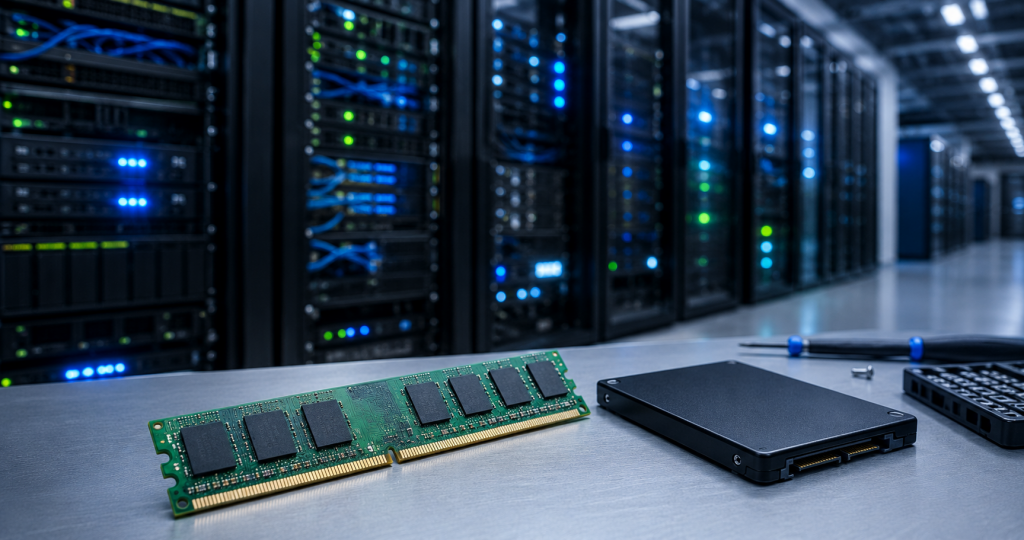
Two critical components are DRAM, which helps computers run applications, and NAND flash memory, which is used in solid state drives to store files and data. These are also essential components in everyday laptops.
As technology companies expand their AI infrastructure, manufacturers are directing more production capacity toward the specialized memory used in AI servers. According to IDC’s analysis of the global memory shortage, this shift has restricted the supply of general purpose memory used in consumer electronics and increased prices throughout the market.
The impact is significant. Gartner projects that rising memory costs will reduce global PC shipments in 2026. Gartner estimates that the combined price of DRAM and solid state storage could increase by 130 percent by the end of 2026. Those rising component costs are expected to increase PC prices by approximately 17 percent while reducing global PC shipments by 10.4 percent.
The greatest pressure is expected to fall on entry level computers, the very devices most likely to be purchased by students, families with limited incomes and first time computer owners.
An Affordable Technology Crisis for Families
A more expensive laptop market does not affect every household equally.
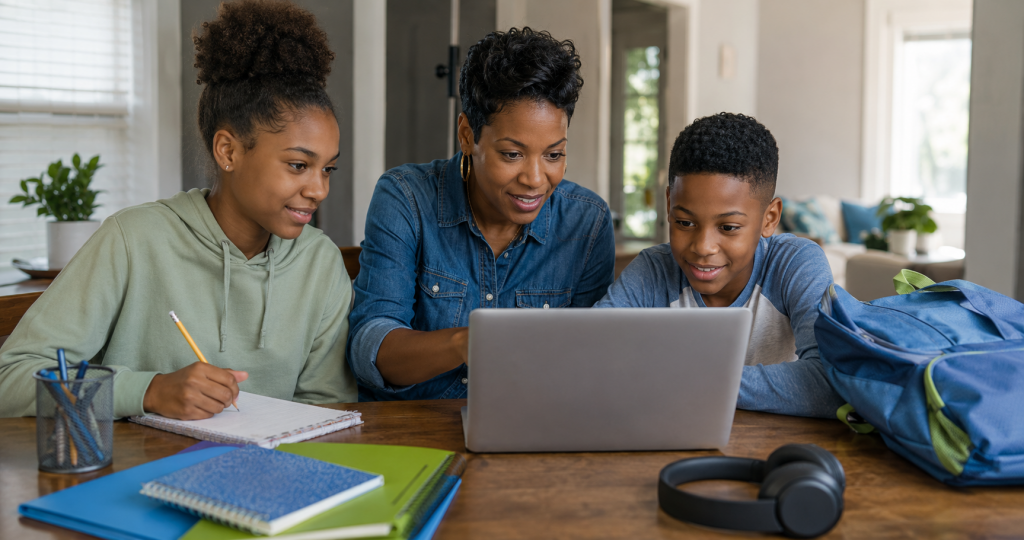
For families already balancing school clothes, supplies, transportation, food and other necessities, even a modest increase in computer prices can place a reliable device out of reach. Students may be left attempting to complete assignments on a phone, sharing one computer with multiple family members or depending on limited access at school or a public library.
As the supply of affordable new laptops tightens, expanding access to professionally refurbished technology becomes even more important.
How School D.A.Y.S. Is Helping
PCs for People created the School D.A.Y.S. Back to School Campaign to help eligible families navigate this changing technology market.
D.A.Y.S. stands for Dents Are Your Savings, reflecting a simple idea: minor cosmetic wear should never prevent a reliable computer from helping a student succeed.
Each School D.A.Y.S. bundle includes:
• A lightly loved, fully tested refurbished laptop
• A complimentary lightweight backpack
• A headset
• A one year hardware warranty for the laptop
The laptops may have minor scratches, dents or other signs of previous use, but that cosmetic wear does not affect their functionality. Instead of being discarded or overlooked, these computers receive a new purpose in the hands of students and families who need them.
Eligible clients can receive a free bundle at participating PCs for People Mission Markets or order a bundle online for $25 and have it delivered to their home. Bundles are limited to one per household and are available while supplies last.
Complete campaign details and eligibility information are available on the PCs for People School D.A.Y.S. campaign page.
Refurbished Technology Is Part of the Solution
School D.A.Y.S. cannot solve the global memory shortage, but it can help counter its impact on families.
Every professionally refurbished laptop returned to use reduces dependence on newly manufactured devices, extends the life of existing technology and gives another student the tools needed to learn. It is a practical response to rising computer prices and an example of how electronic reuse can support both digital inclusion and environmental responsibility.
The future of technology may be powered by AI, but students should not be priced out of participating in that future.
From August 3 through September 3, eligible families can learn more, review eligibility requirements and find a participating Mission Market at the School D.A.Y.S. Back to School Campaign website.
Availability is limited. Get connected while supplies last.